
Are you struggling to find a dependable partner for your fishing apparel brand? Many brands face challenges with inconsistent quality and delayed deliveries. I understand your pain.
To choose a reliable fishing shirt manufacturer, prioritize stable fabric quality, a skilled and consistent workforce, and an efficient, responsible sales representative. Look for partners who offer transparent communication and flexibility, especially for emerging brands, to ensure your products meet your exact specifications and market demands.
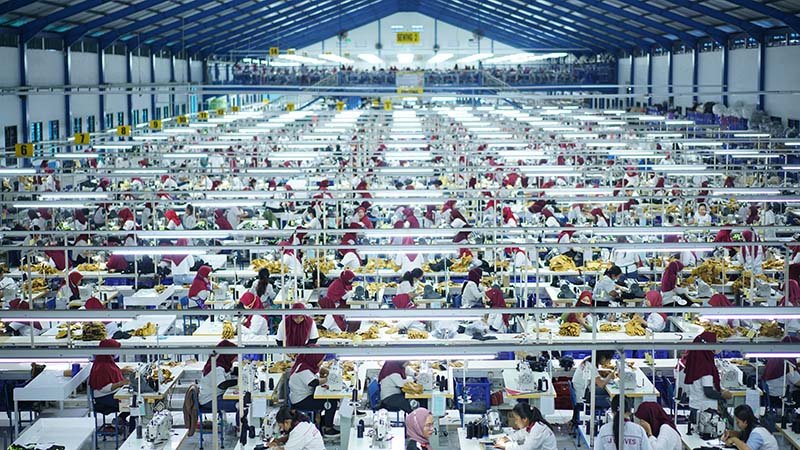
Finding the right manufacturing partner for your fishing shirts is a critical step for any brand, whether you are just starting or looking to scale up. Based on my experience in the custom apparel industry, this choice can make or break your product's quality and your brand's reputation. It is not just about finding any factory; it is about finding the right factory for your specific needs.
Why Does Fabric Quality Often Vary Between Samples and Bulk Production?
Have you ever received a perfect sample, only to be disappointed by the quality of the bulk order? This inconsistency can be a nightmare for any brand. It makes you wonder what went wrong.
When I started, I saw this problem many times. Factories often change things for bulk orders. They might use less fabric weight to save money. They also might use cheaper ink for sublimation printing. This makes the colors less bright. They might also print faster to meet deadlines. This can affect the print quality.
Factories often face pressure to cut costs and speed up production, which can lead to compromises in quality. I have seen how this impacts the final product. One common issue is a change in fabric specifications. A factory might use a higher-quality, heavier-weight fabric for samples to impress, but then switch to a lighter, cheaper alternative for bulk orders. This reduces material costs but also affects the shirt's durability and feel. Another factor is the printing process. For fishing shirts, especially those with intricate designs or UPF protection, sublimation printing is common. Some factories may switch to lower-cost inks or increase printing speed for bulk production. This leads to less vibrant colors or less durable prints. Finally, the sewing process itself can be rushed to meet tight deadlines. This means less attention to detail. Seams might be less secure, or stitching might be uneven. These small changes add up. They lead to a big difference in the final product. Brands must clearly state fabric specifications and quality checks in their contracts.
| Quality Aspect | Sample Production | Bulk Production (Potential Issues) | Impact on Brand |
|---|---|---|---|
| Fabric Weight | Exact/Specified | Reduced (cost-saving) | Durability, feel, comfort |
| Print Ink | High-quality | Cheaper, faster drying | Color vibrancy, fade resistance |
| Printing Speed | Optimal | Increased | Print clarity, detail |
| Sewing Pace | Meticulous | Rushed | Seam strength, finish quality |
How Can a Manufacturer's Workforce Affect Your Product Consistency?
Do you worry about getting different quality shirts in each batch you order? This kind of inconsistency can damage your brand's reputation. It comes from a core issue.
I have learned that having a stable, skilled team is key. In China, many sewing workers move around. They go to whichever factory has work. If a factory uses these temporary workers, the quality will not be consistent. Each batch will be different.
The stability and skill level of a factory's workforce are critical for consistent product quality. In many manufacturing hubs, including parts of China, there's a dynamic where skilled sewing operators are not permanently employed by a single factory. Instead, they move between different facilities based on production needs and workload. This "floating" workforce can be efficient for factories needing to scale up or down quickly. However, it poses a significant challenge for brands seeking consistent quality. When different sets of workers handle each production run, there can be variations in sewing techniques, attention to detail, and overall craftsmanship. I've personally seen how this can lead to uneven stitching, improper seam allowances, or even slight variations in sizing from one batch to another. To counter this, I always emphasize assessing a potential manufacturing partner's labor stability. This means asking about their employment practices, the average tenure of their sewing operators, and their internal training programs. A factory with a core team of experienced, long-term employees is more likely to deliver consistent, high-quality fishing shirts every time.
| Workforce Aspect | Stable Workforce (Benefits) | Floating Workforce (Risks) |
|---|---|---|
| Skill Level | High, consistent | Variable |
| Training | Regular, specialized | Limited, on-the-job |
| Quality Control | Internal standards, self-correction | Depends on individual worker |
| Consistency | High, predictable | Low, unpredictable |
| Efficiency | High, streamlined | Variable, potential for delays |
Why Is a Skilled Sales Representative Essential for Your Manufacturing Partnership?
Have you ever felt frustrated by a sales rep who just wants a sale, not a solution? It feels like they are not on your side. This can make working with a factory very difficult.
I believe an excellent sales representative is priceless. They understand what you need. They match your needs with the factory's abilities. They give updates often. They solve problems with flexibility. They also take responsibility.
An effective sales representative acts as the crucial link between your brand and the manufacturing floor. Their role goes far beyond just taking orders; they need to be a true partner. I have experienced situations where a sales rep only focused on closing a deal. They pushed clients to accept mistakes or delays. This included errors in sizing, fabric weight issues, dull colors, missed deadlines, or incorrect order quantities. When problems arose, they would insist the client compromise. This approach is frustrating and unprofessional. A good sales representative, in contrast, will clearly understand your requirements. They will communicate them effectively to the production team. They also need to have a deep knowledge of fishing shirt manufacturing processes. This includes fabric properties, printing techniques, and sewing specifications. They should provide proactive updates on your order's progress and openly address any potential issues. Crucially, a top-tier rep will offer solutions, not just problems. They will take ownership of challenges and work with both you and the factory to find the best possible outcome. This kind of partnership builds trust and ensures a smoother production process.
| Sales Representative Trait | Effective Representative | Ineffective Representative |
|---|---|---|
| Understanding Needs | Deeply understands, matches factory capabilities | Primarily focused on sales targets |
| Communication | Proactive, transparent, timely updates | Reactive, infrequent, often vague |
| Problem Solving | Flexible, solution-oriented, takes responsibility | Blames others, pushes client to compromise |
| Product Knowledge | Expert in manufacturing processes | Basic, focuses on features only |
| Accountability | Owns issues, works for resolution | Avoids responsibility, defers blame |
How Can You Find and Vet the Right Fishing Shirt Manufacturer for Your Brand?
Are you overwhelmed by all the options for finding a manufacturer? It can be hard to know which one is the right fit. Many great factories may not be right for your specific brand.
You can find fishing shirt factories in many places. You can search on Google or Alibaba. You can also find them at trade shows. Many factories also send out direct emails. The hard part is knowing if they are right for your needs.
Finding the right fishing shirt manufacturer is not about finding the "best" factory in a general sense, but rather the best fit for your brand's unique stage and requirements. A large, highly established factory might demand minimum order quantities (MOQs) of 1,000 units or more. This is often too high for a new brand looking to test the market with smaller runs of 50, 100, or 200 pieces per style. Also, top factories often have long lead times, sometimes 3-4 months, which can be too slow for emerging brands needing quicker turnarounds. This means a smaller or mid-sized factory might be a better choice for a startup. However, these smaller operations might have less stable workforces or less refined management systems. I always advise evaluating potential partners through initial interactions. Pay attention to the sales representative's efficiency and professionalism. Do they truly understand fishing shirt manufacturing, or are they just trying to sell? Then, proceed with a sample order. Observe the sampling lead time and how they handle any issues with the sample. Does the sample perfectly match your specifications? Their response to problems and their ability to meet sample requirements will tell you a lot about their potential as a long-term partner.
| Factory Type | Pros | Cons | Best For |
|---|---|---|---|
| Large/Premier | High capacity, advanced tech, strict QC | High MOQs, long lead times, less flexibility | Established brands, mass production |
| Small/Mid-size | Lower MOQs, more flexible, faster communication | Variable workforce stability, management issues | Startup brands, niche markets, faster turns |
Conclusion
Choosing the right fishing shirt manufacturer means balancing quality, consistency, and a true partnership. Focus on stable fabric, skilled workers, and an accountable sales rep who understands your brand's journey.