
Struggling with sticky, sun-baked fishing trips? The wrong shirt material can ruin your day. I will help you find the perfect fabric for comfort and lasting protection.
The best fabric depends on your needs. For top-tier sun protection, choose Ice Silk or Nylon blends with a UPF50+ rating. For quick-drying comfort on a budget, polyester is a solid choice.
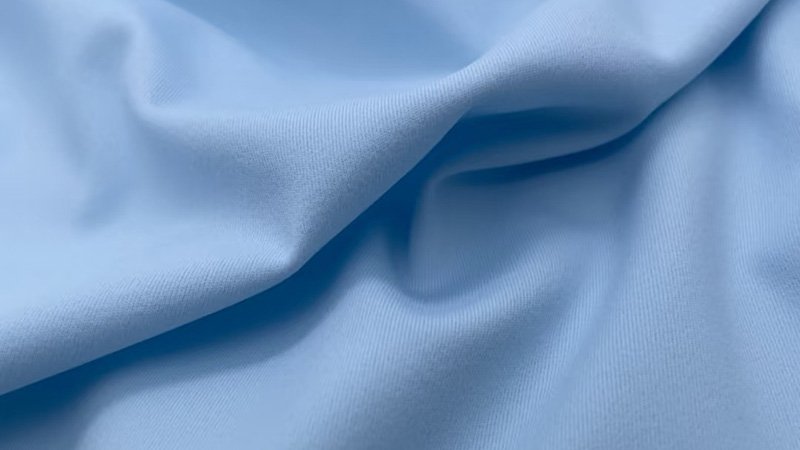
I've spent years working with fabrics for all kinds of performance wear. Choosing the right one for a fishing shirt is a big decision for any apparel brand. It directly affects comfort, sun protection, and how long the shirt lasts. It’s the difference between a shirt customers love and one they wear once. Let's break down the most popular options so you can make the best choice for your brand.
Is Ice Silk the ultimate choice for cool and protected fishing?
Worried about the sun's harsh rays on a long day of fishing? Ice silk offers natural UV protection, but what happens when you start to sweat a lot?
Ice silk fabric provides excellent breathability, durability, and natural UV resistance, which is great for sun protection. However, its main drawback is it can feel sticky against the skin when wet from sweat, which might reduce comfort during intense activity.
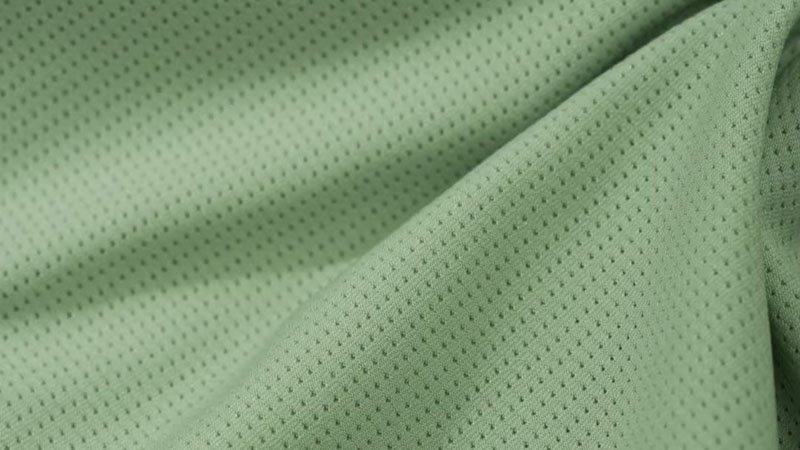
In my experience, many brands are drawn to Ice Silk because it feels cool to the touch. This first impression is powerful. The material, which is usually a specific type of viscose or a blend with nylon and spandex, has some great features for outdoor wear. But it’s important to understand the full picture before committing to it for your production run.
Why Ice Silk Stands Out
Ice Silk is a trade name, not a specific fiber, but it generally refers to fabrics that are very breathable and tough. They hold their shape well, so you don't have to worry about the shirt stretching out or getting damaged easily. One of its best natural qualities is its ability to block UV rays. This means you can create a shirt with a high UPF rating without adding extra chemical treatments, which is a big selling point for customers who want more natural products.
The Stickiness Factor
The main issue with Ice Silk comes from moisture. When a person sweats heavily, the fabric can start to feel a bit clammy and stick to their skin. While it's breathable, it doesn't wick moisture away as efficiently as some other technical fabrics. This is a crucial trade-off to consider, especially if your target customer fishes in very hot and humid climates.
| Feature | Pro | Con |
|---|---|---|
| Feel | Cool to the touch | Can feel sticky when wet |
| Durability | Wear-resistant, holds shape | - |
| Protection | Good natural UV-blocking | - |
| Breathability | High | Absorbs some moisture |
Can classic polyester deliver the performance you need for fishing?
Need a shirt that dries in minutes after a splash? Polyester is known for being quick-dry and breathable, but does it offer enough protection from the constant sun?
Polyester is a fantastic choice for its quick-drying and breathable properties, keeping you comfortable and dry. Its main weakness is lower inherent sun protection, often requiring a special UPF treatment to be effective for long hours outdoors.

Polyester is a workhorse in the activewear industry, and I've used it in countless projects. It’s reliable, easy to care for, and generally more affordable, which can help a new brand manage its costs. For fishing, its ability to handle water is a huge advantage. There is nothing worse than a shirt that stays wet and heavy all day long. But for a garment meant for hours under the sun, we have to talk seriously about UV protection.
The Quick-Dry Champion
Polyester fibers are hydrophobic, which means they naturally repel water. When a polyester shirt gets wet, the water sits on the surface of the fibers instead of being absorbed. This allows it to evaporate very quickly, helping the wearer stay dry and comfortable. This is a huge benefit for fishermen who might get splashed or caught in a light rain. It also means the shirt won't feel heavy and waterlogged.
The Sun Protection Gap
The biggest drawback of standard polyester is its relatively low UPF rating. The structure of the fibers and the way the fabric is woven don't naturally block a lot of UV radiation. To make it suitable for fishing apparel, it must be treated with a UPF-enhancing finish during manufacturing. When sourcing, it is critical to specify a UPF 50+ rating to ensure your customers are getting the sun protection they expect from a high-quality fishing shirt.
| Feature | Pro | Con |
|---|---|---|
| Moisture | Excellent quick-dry ability | - |
| Breathability | Very good | - |
| Cost | Generally affordable | - |
| Protection | - | Low natural UPF rating |
Searching for a fabric that does it all—sun protection, stretch, and quick-dry? Nylon blends tick these boxes, but this premium performance often comes at a higher cost.
Nylon-dominant blends offer superior performance with excellent sun protection, elasticity for easy movement, and quick-drying capabilities. The primary disadvantage is their higher price point, which can impact the final cost of the garment and your brand's budget.
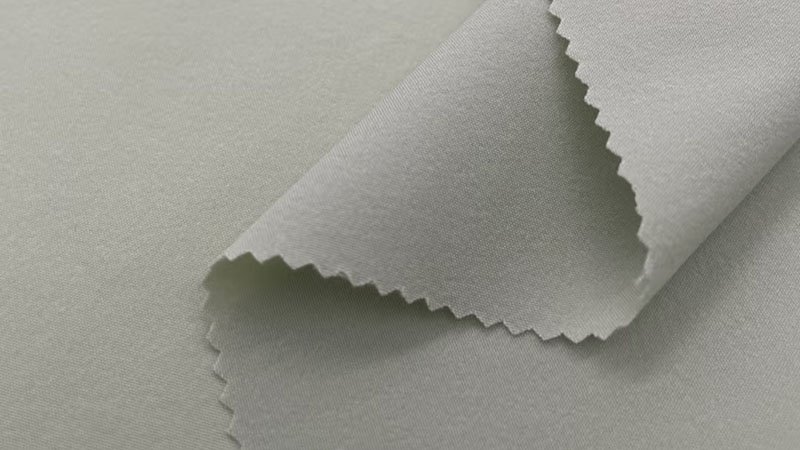
When a brand wants to create a top-of-the-line product, I often steer them toward nylon-dominant blends. These fabrics combine the strength and smoothness of nylon with the stretch of elastane or spandex. The result is a garment that feels amazing to wear and performs exceptionally well. It can handle the dynamic movements of casting a line all day without restricting the wearer. This is the material for a brand that wants to compete at the premium end of the market.
The High-Performance Package
Nylon itself is a very strong and durable fiber with good abrasion resistance. It has a smoother feel than polyester and offers better natural UV protection. When blended with spandex, it creates a fabric that moves with the body, which is perfect for active use. These blends also manage moisture well, pulling sweat away from the skin and drying quickly. It’s truly a fabric that combines the best features needed for a high-performance fishing shirt.
Balancing Cost and Quality
This high performance comes with a higher price tag. The raw materials and manufacturing process for nylon blends are more expensive than for 100% polyester. For a brand owner like Alex, this means the final cost per shirt will be higher. You have to be confident that your target customer is willing to pay a premium for the added comfort, stretch, and durability that a nylon-blend shirt provides.
| Feature | Pro | Con |
|---|---|---|
| Comfort | Elastic, smooth feel | - |
| Performance | Strong and quick-drying | - |
| Protection | Good sun protection | - |
| Cost | - | Relatively expensive |
How do you choose the right fabric for your brand's unique needs?
Feeling overwhelmed by fabric choices? It’s hard to pick just one. I will show you how to match the right material and features to what your customers really want.
Prioritize UPF50+ Ice Silk or nylon blends if strong sun protection is your brand's main selling point. For maximum comfort, focus on designs that incorporate features like ventilation panels and air channels.
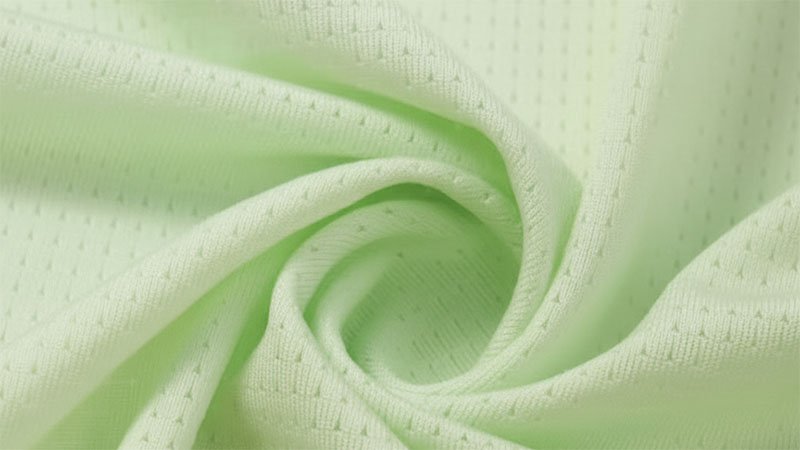
After years of making custom apparel, I have learned that the best product isn't just about a single fabric. It’s about understanding what your customer values most and then building the shirt around that. Is their biggest problem sunburn, or is it feeling hot and sweaty? The answer will guide your choices not just in fabric, but in the small design details that make a good shirt great.
Prioritizing Sun Safety
If your brand identity is built around safety and protection, then the fabric's UPF rating is your number one priority. A rating of UPF50+ is the industry standard for excellent protection, blocking over 98% of harmful UV rays. Both Ice Silk and nylon-dominant blends are fantastic choices here. You can market these shirts with confidence, assuring your customers that they are getting top-tier defense against the sun. This is a very powerful message for anyone who spends long days on the water.
Engineering for Comfort
Even the best fabric can be improved with smart design. To solve the stickiness issue of Ice Silk or simply to make any shirt more comfortable in the heat, you should add ventilation. I often recommend adding mesh panels under the arms or creating a vented back panel with an overlapping flap. These "invisible air channels" allow air to flow freely, cooling the skin and helping sweat evaporate faster. These features show your customers that you have thought about their real-world comfort.
| Priority | Best Fabric Choice | Key Design Feature |
|---|---|---|
| Sun Protection | Nylon Blend or Ice Silk | Look for UPF50+ rating |
| Comfort/Cooling | Polyester or Ice Silk | Add mesh vents/air channels |
| Budget-Friendly | UPF-Treated Polyester | Simple, functional design |
Conclusion
Choosing the right fabric is key. You must balance sun protection, comfort, and cost to create the perfect fishing shirt that your customers will absolutely love wearing.